
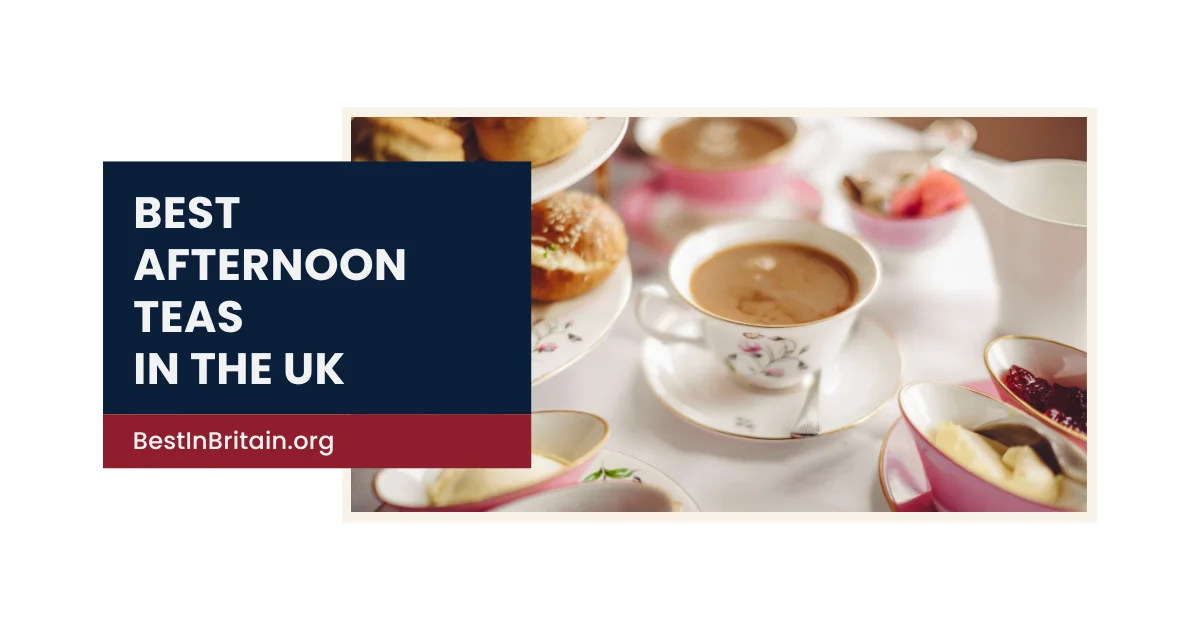
Afternoon tea can be many things in the UK. At its most traditional, it is a carefully paced sequence of finger sandwiches, warm scones, preserves, pastries and properly brewed tea. Elsewhere, chefs use the format as a showcase for regional ingredients, contemporary patisserie or playful designs inspired by the building and city around them.
The strongest afternoon teas are not necessarily the largest. Balance matters more than the number of cakes on the stand. Sandwiches should feel freshly made, scones should arrive warm and pastries should be distinct rather than simply sweet. Tea also needs to be treated as part of the experience, not as a hot drink placed beside the food and forgotten.
Setting and service matter too. A grand hotel should feel polished without becoming stiff, while a country-house tea should make use of its surroundings rather than imitate London. Some of the best regional experiences are found in historic tearooms where the ritual feels closely connected with local life.
This guide brings together 20 of the best afternoon teas in the UK, including landmark London hotels, celebrated northern tearooms, Scottish institutions, Welsh country retreats and leading hotels in Northern Ireland.
Menus, prices, sittings and dress expectations can change. Always check the official website and book ahead, particularly for weekends and seasonal teas.
How we selected the best afternoon teas in the UK
Our editorial assessment considered:
- Quality of the savouries: Fresh bread, balanced fillings and enough variety before the sweet courses.
- Scones and baking: Texture, temperature and the quality of accompanying cream and preserves.
- Tea selection: A thoughtful menu, knowledgeable service and proper brewing.
- Patisserie: Technical quality, flavour and visual presentation without relying only on decoration.
- Setting: A room or location that makes the occasion feel distinctive.
- Service: Attentive pacing and explanations without unnecessary formality.
- Regional identity: Teas that use local ingredients or reflect the character of their location.
- Overall value: Whether the experience feels complete at its price point.
Featured Tea Partner: Muave
Muave is our selected sponsored specialty loose leaf tea and artisanal craft blend partner.
Location: Edinburgh & UK Wide
Email: hello@muave.co.uk
Muave is a specialty UK tea producer creating ethically sourced loose leaf teas, botanical infusions, and bespoke restaurant and hotel tea blends.
From rare single-origin leaves to signature hand-crafted infusions, Muave supplies hospitality venues, boutique stays, and retail tea enthusiasts with exceptional, sustainable tea.
Focusing on provenance, eco-friendly packaging, and rich flavor profiles, Muave brings traditional tea craftsmanship into modern dining and home tea rituals.
- Ethically sourced loose leaf teas and herbal blends
- Sustainable eco-friendly packaging
- Direct wholesale supplier for boutique UK hotels and dining
Afternoon teas in London
1. Afternoon Tea at Claridge’s, London
Location: Brook Street, Mayfair
Setting: The Foyer and Reading Room
Best for: Impeccable traditional service and a landmark London occasion
Claridge’s has served afternoon tea for well over a century, and the experience remains one of the clearest expressions of classic Mayfair hospitality. It is traditional without feeling careless or routine.
The sequence centres on delicate finger sandwiches, warm scones and refined pastries, accompanied by a broad tea list selected with the same seriousness as a restaurant wine programme. The jade-striped china and Art Deco surroundings give the service an unmistakable identity.
What makes Claridge’s particularly strong is restraint. The food is polished, but it does not need a complicated theme or oversized presentation to establish a sense of occasion. Staff explain the tea and menu confidently while allowing the table to set its own pace.
Why it stands out:
Claridge’s delivers the complete traditional experience with unusual consistency. The room, china, service and food feel like parts of one coherent ritual.
Good to know:
Reservations can be difficult to secure for weekends and festive periods. Afternoon tea is served at set times, and smart clothing suits the atmosphere even when the formal dress rules are limited.
2. Afternoon Tea at The Ritz London
Location: Piccadilly, London
Setting: The Palm Court
Best for: Ceremony, live music and the most recognisable London afternoon tea
Afternoon tea at The Ritz is unapologetically formal. The Palm Court, gilded decoration, live music and attentive service create an experience that feels more ceremonial than casual.
The menu follows the traditional structure of sandwiches, scones and patisserie, with replenishment forming part of the service. A dedicated tea selection and the option to add Champagne reinforce the celebratory character.
The Ritz is often chosen for milestone birthdays, anniversaries and first visits to London. That fame brings expectations and a higher price, but the hotel understands that guests are booking an event rather than simply ordering food.
Why it stands out:
No other UK afternoon tea is so closely associated with the public image of the tradition itself.
Good to know:
The Ritz applies a dress code, and afternoon tea is served across several daily sittings. Read the current requirements carefully before arriving.
3. Afternoon Tea at Fortnum & Mason, London
Location: Piccadilly, London
Setting: Diamond Jubilee Tea Salon
Best for: Tea expertise, heritage and a central London shopping day
Fortnum & Mason has sold tea for centuries, so the drink receives genuine attention rather than being treated as an accessory. The Diamond Jubilee Tea Salon provides a polished but approachable setting above the famous Piccadilly store.
The classic menu combines sandwiches, scones and patisserie, while alternative savoury and dietary menus are often available. Guests can explore a substantial tea list and ask for guidance based on strength, origin and flavour.
A visit works particularly well as part of a wider day around St James’s, Mayfair and the West End. The food halls below also allow visitors to take tea, preserves and biscuits home.
Why it stands out:
Fortnum’s strongest advantage is its knowledge of tea and its ability to offer a traditional service without making newcomers feel out of place.
Good to know:
Several afternoon-tea formats may be available. Check the current menu and specify dietary requirements during booking.
4. Afternoon Tea at The Savoy, London
Location: Strand, London
Setting: Thames Foyer
Best for: Historic hotel atmosphere and a polished West End celebration
The Savoy serves afternoon tea beneath the glass dome of the Thames Foyer, accompanied at many sittings by live piano. The room is grand, but its open central layout feels less enclosed than some of London’s smaller hotel salons.
The tea keeps a recognisable traditional structure while allowing the pastry kitchen room for seasonal detail. Sandwiches and scones provide continuity, while the final cakes and desserts change more frequently.
Its location between Covent Garden, the Strand and the Thames makes the Savoy an easy choice before a theatre performance or evening in central London.
Why it stands out:
The Savoy combines a genuine sense of hotel history with a room that feels celebratory without becoming overly rigid.
Good to know:
Allow enough time and avoid booking the sitting too close to a theatre curtain. Seasonal and festive menus may carry different prices.
5. Afternoon Tea at The Goring, London
Location: Belgravia, London
Setting: The Veranda or hotel dining spaces, depending on current service
Best for: Discreet luxury and a quieter alternative to the largest London hotels
The Goring offers a more intimate version of grand-hotel afternoon tea. The family-owned Belgravia hotel is known for attentive service and a distinctly English character that feels polished without becoming theatrical.
The menu follows the classic sequence, with neat sandwiches, freshly baked scones and carefully finished pastries. Tea service is knowledgeable but relaxed, and the surroundings encourage a slower occasion.
This is a particularly strong choice for guests who want five-star standards without the scale and public ceremony of The Ritz.
Why it stands out:
The Goring provides one of London’s most personal luxury afternoon teas, supported by a hotel atmosphere that feels residential rather than monumental.
Good to know:
The precise room may change with season and hotel operations. Confirm the current setting when booking.
Afternoon teas elsewhere in England
6. Afternoon Tea at Bettys York
Location: St Helen’s Square, York
Setting: Historic city-centre tearoom
Best for: Northern tearoom tradition and a York day trip
Bettys is one of the UK’s best-known tearoom institutions. Its York branch has welcomed customers since 1936 and combines Yorkshire hospitality with influences drawn from the company’s Swiss heritage.
Visitors can order from the regular café menu or reserve a more formal afternoon-tea experience when available. Sandwiches, scones, cakes and patisserie are supported by Bettys’ own tea and coffee expertise.
The central setting makes it easy to combine with York Minster, the city walls and the medieval streets. Queues for ordinary tables can be long, particularly at weekends.
Why it stands out:
Bettys demonstrates that a memorable afternoon tea does not need to take place in a five-star hotel. Its identity comes from decades of baking, tea service and regional loyalty.
Good to know:
The bookable afternoon tea and walk-in café service are different experiences. Check which option you want before travelling.
7. Afternoon Tea at Bettys Harrogate
Location: Parliament Street, Harrogate
Setting: Flagship tearoom overlooking Montpellier Gardens
Best for: The complete Bettys experience and Yorkshire spa-town atmosphere
The original Bettys tearoom opened in Harrogate in 1919, and the town remains closely associated with its elegant café culture. The flagship branch occupies a prominent position near Montpellier Gardens and the historic spa quarter.
The menu brings together British afternoon-tea conventions with the precision of a long-established bakery and confectionery business. Cakes, bread, tea and chocolates are produced with enough consistency to make Bettys a destination in its own right.
Harrogate provides a fitting setting because the town’s history of spa visits, hotels and promenading naturally suits an unhurried afternoon tea.
Why it stands out:
This is the most atmospheric location in which to understand the full Bettys tradition.
Good to know:
Walk-in queues are common. Reserve a formal tea where available or arrive outside the busiest weekend period.
8. Afternoon Tea at The Pump Room, Bath
Location: Stall Street, Bath
Setting: Historic Pump Room beside the Roman Baths
Best for: Georgian atmosphere and a classic Bath experience
The Pump Room is one of the most natural places in Britain to take afternoon tea. The elegant room formed part of Bath’s spa culture, where visitors gathered to drink the thermal water, socialise and be seen.
The current tea usually follows a traditional structure with sandwiches, scones and cakes, served beneath chandeliers and tall windows. Live music often adds to the period atmosphere.
The food is only one part of the experience. Its real strength comes from the connection between the room, the Roman Baths and Bath’s history as a fashionable Georgian destination.
Why it stands out:
Few afternoon teas feel so closely tied to the history and purpose of the city around them.
Good to know:
Book separately from Roman Baths admission. The central location makes it easy to combine both, but allow enough time between timed entries.
9. Afternoon Tea at The Grand Brighton
Location: Brighton seafront
Setting: The hotel’s sea-facing public rooms
Best for: A traditional tea beside the coast
The Grand Brighton brings the ritual of afternoon tea to one of England’s defining seaside hotels. The setting, directly opposite the beach, adds a sense of escape even when the weather is too unsettled for a long seafront walk.
The menu typically includes a classic selection of sandwiches, scones and pastries, with Champagne upgrades and seasonal variations. The hotel’s scale and Victorian history give the experience more ceremony than a casual Brighton café.
A tea here works well after exploring the Lanes, Royal Pavilion or promenade.
Why it stands out:
The Grand pairs traditional hotel service with a location that feels unmistakably connected to British seaside culture.
Good to know:
Request or check the current seating arrangements if the sea view matters to the occasion, as not every table will have the same outlook.
10. Afternoon Tea at The Chester Grosvenor, Chester
Location: Eastgate, Chester
Setting: Five-star hotel beside the Eastgate Clock
Best for: Refined service during a historic Chester visit
The Chester Grosvenor occupies one of the most recognisable positions in the city, immediately beside the Eastgate Clock and the Rows. Its afternoon tea offers a calm counterpoint to the busy shopping streets outside.
The service is rooted in the traditional format but benefits from the hotel’s fine-dining experience. Savouries, scones and pastries are presented with precision, while the tea list gives guests enough choice without becoming overwhelming.
The location makes it practical to combine with Chester Cathedral, the Roman walls and the riverside.
Why it stands out:
The Chester Grosvenor provides genuine luxury in a regional setting, without requiring a journey to London.
Good to know:
Seasonal menus and special-event teas may replace the standard offering on selected dates.
11. Afternoon Tea at The Midland, Manchester
Location: Peter Street, Manchester
Setting: Historic city-centre railway hotel
Best for: Manchester history and a traditional urban hotel tea
The Midland has been part of Manchester’s civic life since the early 20th century. Its architecture and central location give afternoon tea a sense of occasion, while the service remains accessible to local celebrations as well as hotel guests.
The menu typically combines finger sandwiches, scones and patisserie with a selection of teas and optional sparkling wine. The experience is more traditional than experimental, which suits the building.
The hotel is close to the Central Library, Bridgewater Hall and major city-centre galleries.
Why it stands out:
The Midland offers a recognisably Mancunian setting and the confidence of a hotel long associated with meetings, celebrations and public life.
Good to know:
Confirm the room used for afternoon tea, as hotel layouts and dining concepts can change over time.
Afternoon teas in Scotland
12. Afternoon Tea at The Balmoral, Edinburgh
Location: Princes Street, Edinburgh
Setting: Palm Court
Best for: Scottish luxury, live harp music and a landmark Edinburgh occasion
Palm Court sits beneath a glass dome and Venetian chandelier in the centre of The Balmoral. Palm trees, polished service and live harp music create one of the most distinctive afternoon-tea rooms in the UK.
The menu combines traditional sandwiches and scones with pastries that change seasonally. Scottish ingredients and flavours appear without turning the experience into a themed novelty.
Its position above Waverley Station, where the Old and New Towns meet, makes it an especially fitting introduction to Edinburgh.
Why it stands out:
The Balmoral delivers one of the UK’s most complete regional luxury teas, with a setting and identity that belong unmistakably to Edinburgh.
Good to know:
Tea is served daily, but sittings and menus change. Smart-casual clothing suits the room.
13. Afternoon Tea at Gleneagles, Perthshire
Location: Auchterarder, Perthshire
Setting: The Glendevon Room
Best for: A country-estate occasion and a leisurely Scottish escape
Gleneagles turns afternoon tea into part of a wider country-estate experience. The Glendevon Room looks across the hotel grounds and provides a quieter, more spacious setting than a city-centre salon.
The menu draws on the hotel’s pastry and kitchen teams, with sandwiches, savouries, scones and detailed cakes arranged in a traditional progression. Scottish produce and seasonal flavours help ground the tea in its location.
This is best approached as an occasion in itself rather than squeezed between activities. A walk around the estate or an overnight stay makes the pace feel more natural.
Why it stands out:
Gleneagles combines highly polished service with the breathing space and landscape of a major Scottish country hotel.
Good to know:
Advance booking is essential. Check whether a particular dress expectation applies to the current afternoon-tea room.
14. Afternoon Tea at Mackintosh at the Willow, Glasgow
Location: Sauchiehall Street, Glasgow
Setting: Restored Charles Rennie Mackintosh tearoom
Best for: Design history and a uniquely Glaswegian tearoom experience
Mackintosh at the Willow occupies the restored Willow Tea Rooms building designed by Charles Rennie Mackintosh for Catherine Cranston. The architecture, furniture and decorative scheme are central to the experience.
Afternoon tea is served within a setting that reflects Glasgow’s historic tearoom culture rather than the conventions of a grand hotel. Sandwiches, scones and cakes are presented with enough ceremony to suit the building without overwhelming it.
Visitors interested in design can explore the wider building and exhibition elements alongside the meal.
Why it stands out:
This is the only afternoon tea on the list where the tearoom itself is a major work of Scottish design history.
Good to know:
Check which room is included with the selected booking, as the building contains several distinctive spaces.
15. Afternoon Tea at Prestonfield House, Edinburgh
Location: Priestfield Road, Edinburgh
Setting: Historic house beneath Arthur’s Seat
Best for: Romantic interiors and an escape from the city centre
Prestonfield House feels removed from central Edinburgh despite lying only a short journey from the Old Town. Rich fabrics, antiques, dark colours and dramatic rooms give the hotel an atmosphere very different from the pale elegance of many conventional afternoon-tea venues.
The tea follows a traditional structure but feels more intimate and indulgent because of the setting. In suitable weather, views of the grounds and nearby Arthur’s Seat add to the sense of retreat.
Why it stands out:
Prestonfield offers one of Scotland’s most atmospheric afternoon teas, particularly for couples and smaller celebrations.
Good to know:
The hotel is outside the main tourist centre. Plan transport in advance and confirm whether tea is being served indoors or in a seasonal setting.
Afternoon teas in Wales
16. Afternoon Tea at The Angel Hotel, Abergavenny
Location: Cross Street, Abergavenny
Setting: Historic coaching inn
Best for: Welsh market-town character and a respected regional institution
The Angel Hotel has built a strong reputation for afternoon tea in the centre of Abergavenny. The experience is rooted in the traditional format, with careful baking and a tea selection substantial enough to satisfy enthusiasts.
Abergavenny’s wider identity as a food town strengthens the visit. The hotel sits close to the market, independent shops and the surrounding Monmouthshire countryside.
The atmosphere is more personal than a large resort hotel, making it suitable for both special occasions and an unhurried stop during a Welsh food trip.
Why it stands out:
The Angel proves that one of the UK’s strongest afternoon teas can emerge from a regional coaching inn rather than a capital-city luxury hotel.
Good to know:
Book well in advance for weekends. Menus and service days may change outside the main visitor season.
17. Afternoon Tea at Celtic Manor Resort, Newport
Location: Coldra Woods, Newport
Setting: Large resort hotel
Best for: Group celebrations and a polished south Wales resort experience
Celtic Manor offers afternoon tea within a large resort setting suited to birthdays, family gatherings and spa breaks. The format is recognisably traditional, with savouries, scones, pastries and tea accompanied by optional sparkling additions.
The resort’s scale allows it to accommodate larger parties more easily than intimate tearooms, while seasonal menus give returning visitors some variety.
This is less about historic tearoom culture and more about a complete leisure occasion that can include the spa, golf, an overnight stay or countryside views.
Why it stands out:
Celtic Manor is one of the most practical high-end afternoon teas in Wales for groups and larger celebrations.
Good to know:
The resort contains several dining spaces. Confirm the exact venue and parking arrangements when booking.
18. Afternoon Tea at The Lake Country House, Powys
Location: Llangammarch Wells, Powys
Setting: Country-house hotel beside its own lake and grounds
Best for: Rural calm and a traditional Welsh country escape
The Lake Country House offers afternoon tea in a secluded Mid Wales setting surrounded by gardens, woodland and water. The sense of arrival and quiet landscape are as important as the tiered stand.
The menu is traditionally structured, making use of sandwiches, scones, preserves and cakes rather than elaborate visual themes. It suits visitors who want a slow afternoon in the countryside rather than a busy city experience.
A walk through the grounds before or after tea helps distinguish the visit from a conventional hotel lounge booking.
Why it stands out:
The Lake Country House provides one of the most peaceful afternoon-tea settings in Wales.
Good to know:
The rural location makes driving the easiest option. Confirm service days, particularly outside weekends and holiday periods.
Afternoon teas in Northern Ireland
19. Afternoon Tea at The Merchant Hotel, Belfast
Location: Cathedral Quarter, Belfast
Setting: The Great Room
Best for: Architectural drama and Belfast’s grandest traditional tea
The Merchant serves afternoon tea in the Great Room, a richly decorated former banking hall with a glass dome, columns and elaborate plasterwork.
The menu combines classic sandwiches and scones with refined patisserie, supported by a substantial tea selection and optional Champagne. The room gives the experience a sense of theatre, but the service remains central to keeping the occasion comfortable.
Its Cathedral Quarter location makes it easy to combine with Belfast’s galleries, bars and historic streets.
Why it stands out:
The Great Room is one of the most spectacular afternoon-tea interiors anywhere in the UK.
Good to know:
Special seasonal teas can book out quickly. Check the hotel’s dress guidance and allow time to appreciate the room.
20. Afternoon Tea at Culloden Estate and Spa, County Down
Location: Cultra, County Down
Setting: Estate hotel overlooking Belfast Lough
Best for: Garden views, spa breaks and a relaxed luxury occasion
Culloden Estate and Spa sits in landscaped grounds above Belfast Lough. Its afternoon tea uses the traditional tiered format within a setting that feels more like a country retreat than a city hotel.
The menu usually balances savoury sandwiches with scones, pastries and tea, while Champagne and seasonal versions offer a more celebratory option. The grounds and spa make it easy to turn tea into a longer visit.
The hotel is close enough to Belfast for a short journey but removed from the city-centre pace.
Why it stands out:
Culloden provides Northern Ireland’s strongest country-estate alternative to the grandeur of The Merchant.
Good to know:
Request dietary adaptations during booking. Check the current afternoon-tea room and whether a window or lough view can be requested.
Other afternoon teas worth considering
A list of 20 inevitably leaves out many strong choices. Further options include:
- The Langham in London
- The Dorchester in London
- The Connaught in London
- The Berkeley in London
- The Rosewood London
- The Corinthia London
- The Lanesborough in London
- The Royal Crescent Hotel in Bath
- Bovey Castle in Devon
- Lympstone Manor in Devon
- Cliveden House in Berkshire
- The Lowry Hotel in Manchester
- Grantley Hall in North Yorkshire
- The Grand Hotel Birmingham
- Seaham Hall in County Durham
- Jesmond Dene House in Newcastle
- Fonab Castle in Pitlochry
- Crossbasket Castle in South Lanarkshire
- The Signet Library in Edinburgh
- The Dome in Edinburgh
- The Ivy Buchanan Street in Glasgow
- Palé Hall in Gwynedd
- Grove of Narberth in Pembrokeshire
- St Brides Spa Hotel in Saundersfoot
- The Fitzwilliam Hotel in Belfast
- Galgorm in County Antrim
- Titanic Hotel Belfast
Best afternoon teas for different occasions
Best traditional afternoon tea
Claridge’s and The Ritz provide the most complete classic London experiences. Fortnum & Mason is especially strong for guests interested in tea itself.
Best regional tearoom
Bettys in Harrogate and York remains the standout institution outside London, while Mackintosh at the Willow offers a distinctly Glaswegian alternative.
Best historic setting
The Pump Room in Bath, Mackintosh at the Willow and The Merchant’s Great Room make unusually strong use of their architecture.
Best country-house afternoon tea
Gleneagles, Prestonfield, The Lake Country House and Culloden Estate provide the most complete sense of escape.
Best afternoon tea in Scotland
The Balmoral is the strongest all-round choice for setting, service and Scottish identity.
Best afternoon tea in Wales
The Angel Hotel in Abergavenny offers the most distinctive regional experience, while Celtic Manor is better suited to larger groups.
Best afternoon tea in Northern Ireland
The Merchant is the clearest choice for grandeur. Culloden Estate is stronger for a quieter countryside atmosphere.
Best for families
Fortnum & Mason, Bettys and larger resort hotels tend to provide an approachable setting and can be easier for mixed-age groups, although children’s menus and age policies should be checked.
What should a traditional afternoon tea include?
A conventional afternoon tea usually follows a progression from savoury to sweet.
Finger sandwiches
Common fillings include cucumber, egg, smoked salmon, ham and mustard, or chicken. The bread should remain soft, and fillings should be balanced rather than overloaded.
Savouries
Some venues add tartlets, buns or warm savoury pastries. These can improve variety when they do not make the tea too heavy.
Scones
Scones are usually served warm with clotted cream and preserves. Plain and fruit versions are common.
Pastries and cakes
The final tier may include individual cakes, tarts, choux pastry, mousse-based desserts or slices of a larger cake.
Tea
Black, green, white, oolong and herbal infusions may be offered. Staff should be able to explain flavour and brewing recommendations.
Champagne afternoon tea adds sparkling wine but does not necessarily change the food menu.
Afternoon tea etiquette without the unnecessary rules
Afternoon tea is more relaxed than many first-time guests expect.
- Begin with savouries before moving to scones and cakes.
- Use the tea strainer if loose leaves are poured from the pot.
- Ask for fresh hot water or another tea when offered.
- Eat sandwiches with your fingers.
- Break a scone into smaller pieces rather than treating it like a bread roll.
- Use small amounts of cream and preserve at a time.
- Do not worry about whether cream or jam goes first unless you enjoy the regional debate.
- Tell the venue about allergies during booking.
- Avoid strong perfume, which can interfere with tasting tea.
- Take your time rather than trying to clear every tier immediately.
The purpose is enjoyment, not demonstrating knowledge of invented social rules.
How to choose the right afternoon tea
Consider what matters most to the occasion.
For a major celebration, the room and service may justify choosing Claridge’s, The Ritz, The Balmoral or The Merchant. For a city break, Bettys, the Pump Room and Mackintosh at the Willow connect more directly with their destination.
Also check:
- Whether the menu is traditional or themed
- How long the sitting lasts
- Dress expectations
- Children’s menus and age policies
- Vegan, vegetarian and gluten-free options
- Whether substitutions must be requested in advance
- Service charge
- Cancellation terms
- Whether Champagne is included or added separately
- The accessibility of the room
- Parking and public transport
- Seasonal menu dates
The most expensive afternoon tea is not automatically the best fit. A quieter regional tearoom may create a more enjoyable experience than a famous hotel chosen only for its name.
Frequently asked questions
What is the best afternoon tea in the UK?
Claridge’s, The Ritz and The Balmoral are among the strongest luxury experiences. Bettys and The Angel Hotel offer more regional character. The right choice depends on whether food, history, formality or setting matters most.
How much does afternoon tea cost?
Prices range from relatively affordable tearoom services to luxury hotel experiences costing well over £80 per person. Champagne, service charges and seasonal menus can increase the final bill.
What is the difference between afternoon tea and high tea?
Afternoon tea is the lighter meal of sandwiches, scones, cakes and tea traditionally associated with the afternoon. High tea historically referred to a more substantial early-evening meal eaten at a dining table and could include hot dishes.
Is there a dress code?
Many tearooms have no formal dress code. Luxury hotels may request smart or smart-casual clothing, and The Ritz applies more specific requirements. Always check before arrival.
How long does afternoon tea take?
Most experiences last between 90 minutes and two hours. Some hotels allocate a fixed table time, while others allow a slower pace.
Can afternoon tea accommodate dietary requirements?
Most leading venues provide vegetarian options and can often prepare vegan or gluten-free menus with advance notice. Severe allergies require direct discussion because cross-contamination may still be possible.
Should afternoon tea replace lunch?
It usually can. The combination of sandwiches, scones and pastries is more filling than it appears, particularly where replenishment is offered.
Do you need to book afternoon tea in advance?
Booking is strongly recommended. Famous hotels can fill weeks or months ahead for weekends, Christmas and special occasions.
Final thoughts
The best afternoon teas understand that the experience is built from small details.
Warm scones matter more than an elaborate stand. Fresh sandwiches matter more than the number of fillings. Tea should arrive properly brewed, and service should make guests feel looked after rather than tested.
Claridge’s and The Ritz preserve the grand London ritual, while The Balmoral and The Merchant give it strong regional settings. Bettys and Mackintosh at the Willow demonstrate the importance of Britain’s tearoom tradition, and The Angel in Abergavenny shows that national reputation can be built far from a capital city.
Choose the experience that suits the occasion, arrive hungry and leave enough time to enjoy it without watching the clock.
Related articles
Related guides

Things to Do
25 best Christmas markets in the UK
Discover 25 of the best Christmas markets in the UK, from Bath's Georgian streets and Birmingham's Frankfurt market to cathedral fairs, city festivals and historic estate markets.
Updated 2 July 2026

Things to Do
20 best places for a romantic weekend in the UK
Discover 20 of the best places for a romantic weekend in the UK, from historic cities and coastal towns to countryside escapes, islands and mountain retreats across all four nations.
Updated 30 June 2026

Things to Do
15 best wildlife parks in the UK
Discover 15 of the best wildlife parks in the UK, from drive-through safari reserves and open-range animal parks to native-species centres and wetland conservation attractions.
Updated 30 June 2026

Things to Do
20 best Christmas days out in the UK
Discover 20 of the best Christmas days out in the UK, from illuminated gardens and decorated palaces to festive steam trains, immersive Santa experiences and family winter attractions.
Updated 29 June 2026

Things to Do
20 best holiday parks in the UK
Discover 20 of the best holiday parks in the UK, from forest villages and coastal caravan resorts to lodge estates, family activity parks and island retreats across all four nations.
Updated 29 June 2026

Things to Do
30 best free attractions in the UK
Discover 30 of the best free attractions in the UK, from world-class museums and galleries to historic buildings, botanic gardens, industrial sites and remarkable landscapes.
Updated 28 June 2026
Know a business we should consider?
Send us the details and our editorial team will review whether it fits a future guide.
Submit businessWriter profile
George Davies
Regional and city guide desk researcher
George researches location-led guides, city roundups, regional comparisons, attractions, and practical local recommendations.
Editorial Trust Standard
Independent ReviewIndependent Research
Featured rankings are editorially determined. Commercial partner listings are strictly labeled as Sponsored or Featured.
Public Register Audit
Listings are cross-checked against public regulatory registries, Companies House filings, and published fee schedules.