

Exeter is one of England’s most rewarding small cities. Roman walls, medieval passages, Georgian terraces and a magnificent Gothic cathedral all sit within a compact centre that can be explored comfortably on foot.
The city’s history is unusually visible. Visitors can walk beneath the streets through medieval water passages, follow surviving sections of the Roman wall, explore museums filled with Devon history and finish the day beside the River Exe.
Exeter also makes an excellent base for discovering the wider county. Estuary towns, beaches, country houses and the landscapes of Dartmoor can all be reached on day trips.
This guide brings together the best things to do in Exeter, focusing on the places that genuinely reveal its architecture, history, culture and connection with Devon.
Historic and cultural things to do in Exeter
1. Visit Exeter Cathedral
Business details
Address
1 The Cloisters, Exeter EX1 1HS
Contact details: +44 1392 255573
Operating hours:
- Monday to Saturday: 9 am to 5 pm
- Sunday: 11:30 am to 4 pm
- Sightseeing access can change for services and special events
Price: ££
Exeter Cathedral is the city’s defining landmark and one of England’s great Gothic churches. Its twin Norman towers frame a long medieval nave with the longest continuous stone vault of its kind in the world.
Inside, visitors can see carved misericords, stained glass, medieval tombs, an astronomical clock and an elaborate bishop’s throne. The contrast between the heavy Romanesque towers and the later Gothic interior reflects centuries of rebuilding.
The cathedral remains an active place of worship, so the experience can vary depending on services and events.
Pro tip:
Join one of the cathedral’s guided tours. The carvings, monuments and architectural details are much easier to understand with an expert explanation.
2. Take a roof or tower tour at Exeter Cathedral
Business details
Address
Exeter Cathedral, 1 The Cloisters, Exeter EX1 1HS
Operating hours:
- Tours operate on selected dates and at fixed times
- Advance booking is required
Price: £££
Exeter Cathedral’s special tours take visitors into areas that are normally closed to the public. Depending on the tour, the route may include the roof void above the nave, ringing chamber, lead room and one of the towers.
The experience reveals how the cathedral was constructed and maintained while providing elevated views over Exeter and the surrounding Devon countryside when weather permits.
Narrow staircases, low spaces and uneven historic surfaces make the tour unsuitable for some visitors.
Pro tip:
Book as soon as your travel dates are confirmed. Capacity is limited and tours do not run continuously throughout the day.
3. Explore Exeter’s Underground Passages
Business details
Address
2 Paris Street, Exeter EX1 1GA
Contact details: +44 1392 265887
Operating hours:
- Term time: Thursday to Sunday, 11 am to 4 pm
- Summer schedules may include additional opening days
- Last tour generally begins at 3 pm
- Tour times are subject to change
Price: ££
Exeter’s Underground Passages are among the city’s most unusual attractions. Built from the medieval period onwards, the passages allowed workers to reach and repair water pipes without repeatedly digging up the streets above.
Guided tours lead through narrow, low tunnels beneath the city centre. A heritage centre explains Exeter’s historic water supply, engineering and the development of the passages over several centuries.
The tour is atmospheric and physically confined, making it unsuitable for visitors who are uncomfortable in tight spaces. Children under five are not permitted.
Pro tip:
Book ahead and arrive at least 15 minutes before the tour. Wear practical clothing and be prepared to crouch in the narrowest sections.
4. Visit the Royal Albert Memorial Museum and Art Gallery
Business details
Address
Queen Street, Exeter EX4 3RX
Contact details: +44 1392 265960
Operating hours:
- Monday: Closed
- Tuesday: 10:30 am to 5 pm
- Wednesday to Sunday: 10 am to 5 pm
Price: Free
The Royal Albert Memorial Museum, usually known as RAMM, is Exeter’s principal museum and one of the strongest regional museums in south-west England.
Its galleries cover the archaeology and history of Exeter and Devon, natural history, global cultures, fine art and decorative objects. Displays range from Roman artefacts and local geological specimens to paintings, taxidermy and objects collected from around the world.
The Victorian building and its later extension create an attractive setting, while the breadth of the collection makes the museum suitable for both a short visit and several hours of exploration.
Pro tip:
Begin with the Exeter and Devon galleries. They provide useful context for the Roman wall, cathedral, quayside and historic streets elsewhere in the city.
5. Join a Red Coat Guided Tour
Business details
Address
Tours depart from various central Exeter locations
Operating hours:
- Tours run on a changing seasonal programme
- Departure points and themes vary
- Check the current timetable before joining
Price: Free
Exeter’s Red Coat Guided Tours are one of the best ways to understand the city’s layered history. Led by volunteer guides, the walks cover themes including Roman Exeter, medieval streets, the cathedral close, city walls, ghosts and the quayside.
Different routes reveal details that are easy to miss when exploring independently, from hidden architectural fragments to stories connected with sieges, trade and wartime destruction.
There is usually no need to book standard public tours, although special walks may require reservations.
Pro tip:
Take a tour near the beginning of your visit. It will help you decide which historic areas deserve more time afterwards.
6. Walk along Exeter’s city wall
Business details
Address
Surviving sections around central Exeter
Operating hours:
- Outdoor sections can generally be viewed at all times
Price: Free
Exeter’s city wall has origins in the Roman period and was repaired, extended and reused throughout the medieval era. Significant stretches still survive around the centre.
A self-guided route passes sections near Northernhay Gardens, Southernhay, Cathedral Close and the West Quarter. Interpretation panels explain how the wall protected the city and changed over time.
The walk also provides a useful way to understand the shape and scale of historic Exeter.
Pro tip:
Use a city-wall map rather than expecting one continuous route. Modern roads and buildings interrupt the surviving sections.
7. Explore Cathedral Close
Business details
Address
Cathedral Close, Exeter EX1
Operating hours:
- Public outdoor areas are accessible at all times
- Individual buildings keep separate hours
Price: Free to explore
Cathedral Close contains some of Exeter’s most attractive historic architecture. Medieval houses, Georgian façades, old inns and the cathedral itself enclose a broad green space at the heart of the city.
Notable buildings include the medieval Mol’s Coffee House, the former Law Library and timber-framed properties around nearby Martin’s Lane.
The close is particularly atmospheric in the early morning and evening, when daytime crowds have thinned.
Pro tip:
Walk behind the cathedral as well as across the main green. The quieter lanes reveal some of the best architectural details.
8. Discover Exeter’s Guildhall
Business details
Address
203 High Street, Exeter EX4 3EB
Operating hours:
- Public opening varies around council business, ceremonies and events
- Check before travelling
Price: Free when open
Exeter Guildhall has served as a centre of civic government for centuries and is one of the oldest municipal buildings in England still used for its original purpose.
Its street frontage leads into a historic hall containing portraits, civic objects, carved woodwork and architectural features from several periods.
Because the building remains in active use, visitor access is less predictable than at a conventional museum.
Pro tip:
Look through the open archway when passing along the High Street, even if the main hall is closed to visitors.
Riverside and outdoor things to do in Exeter
9. Walk around Exeter Quayside
Business details
Address
The Quay, Exeter EX2
Operating hours:
- Public riverside areas are accessible at all times
- Businesses and visitor facilities keep separate hours
Price: Free
Exeter Quayside is one of the city’s most enjoyable areas for walking, eating and spending time beside the River Exe. Historic warehouses, old customs buildings, cafés and waterside paths reflect the district’s former importance to Exeter’s wool and shipping trades.
The river is now used for rowing, paddleboarding, kayaking and cycling, while the quayside itself hosts markets and seasonal events.
Bridges connect both sides of the river and make it easy to create a circular walk.
Pro tip:
Visit in the late afternoon and remain for an evening meal. The quayside becomes particularly attractive as the light softens across the river.
10. Visit the Custom House Visitor Centre
Business details
Address
46 The Quay, Exeter EX2 4AN
Operating hours:
- Opening days and hours vary seasonally
- Check before travelling
Price: Free
Exeter’s Custom House was built during the 17th century to manage the city’s valuable overseas trade. Its ornate plasterwork and historic position beside the quay reflect Exeter’s former prosperity as a wool-exporting centre.
The visitor centre contains displays on the building, canal, quayside and city’s commercial history. It also provides information on walking routes and local events.
Pro tip:
Visit before exploring the quayside. The displays make the surrounding warehouses, waterways and bridges more meaningful.
11. Walk or cycle along the Exeter Ship Canal
Business details
Address
Access from Exeter Quay and multiple points south of the city
Operating hours:
- Towpaths are generally accessible throughout the year
Price: Free
The Exeter Ship Canal was created to restore the city’s access to maritime trade after navigation on the River Exe became difficult. It is one of the oldest artificial waterways of its kind in Britain.
Today, the towpath provides a largely flat walking and cycling route from the city towards the estuary. Riverside habitats, locks, boats and open countryside replace the urban setting surprisingly quickly.
Visitors can complete a short section or continue much further towards Topsham and the Exe Estuary.
Pro tip:
Hire a bicycle for a half-day trip if you want to reach the estuary without committing to a long return walk.
12. Relax in Northernhay and Rougemont Gardens
Business details
Address
Queen Street and Castle Street, Exeter EX4
Operating hours:
- Generally open during daylight hours
- Gate times may vary seasonally
Price: Free
Northernhay Gardens are among England’s oldest public open spaces. They sit beside the surviving city wall and contain mature trees, statues, lawns and views across parts of central Exeter.
Rougemont Gardens continue around the remains of Exeter Castle and provide a more enclosed landscape with paths, planting and historic walls.
Together, the two gardens form a peaceful route between RAMM, the castle area and the northern edge of the city centre.
Pro tip:
Visit after RAMM and follow the gardens towards Exeter Castle before returning through the city centre.
13. Explore the University of Exeter’s Streatham Campus
Business details
Address
Stocker Road, Exeter EX4 4PY
Operating hours:
- Outdoor campus areas are generally accessible during the day
- Individual buildings have restricted access
Price: Free to explore the grounds
The University of Exeter’s Streatham Campus occupies a landscaped hillside north-west of the city centre. Lakes, gardens, sculptures and mature trees are arranged between teaching buildings and student facilities.
The grounds are especially attractive during spring, when magnolias, rhododendrons and other flowering plants create strong seasonal colour.
The campus is a working university environment, so visitors should remain considerate around teaching and residential areas.
Pro tip:
Combine the campus with a walk through Duryard Valley or return towards the centre through quieter residential streets.
Memorable experiences near Exeter
14. Visit Topsham
Business details
Address
Topsham, Exeter EX3
Operating hours:
- Town and waterfront accessible throughout the year
- Individual businesses keep separate hours
Price: Free to explore
Topsham is a historic estuary town a short train, bus or cycle ride from Exeter. Its narrow streets, Dutch-style merchant houses, independent shops and waterside setting reveal the wealth once generated by maritime trade.
The quay, Goat Walk and nearby marshes provide attractive views across the Exe Estuary. Cafés, pubs and small shops make the town suitable for a relaxed half-day visit.
Pro tip:
Travel by train or bicycle, walk along the estuary and remain for lunch before returning to Exeter.
15. Explore Powderham Castle
Business details
Address
Kenton, Exeter EX6 8JQ
Contact details: +44 1626 890243
Operating hours:
- Public opening is seasonal
- Tour times, grounds access and event arrangements vary
Price: £££
Powderham Castle stands beside the Exe Estuary south of Exeter and has been associated with the Courtenay family for centuries.
Guided tours explore state rooms, family history, architecture and stories connected with the estate. The surrounding grounds include parkland, gardens and views towards the estuary.
Because the castle remains a family home and event venue, access differs throughout the year.
Pro tip:
Check the exact opening calendar before travelling. A grounds-only day offers a different experience from a full castle-tour day.
16. Take a day trip to Dartmoor
Business details
Address
Dartmoor National Park, Devon
Operating hours:
- Open countryside is accessible throughout the year
- Visitor centres and car parks have separate hours
Price: Free to explore, with charges for parking and some attractions
Dartmoor National Park begins within reach of Exeter and offers granite tors, open moorland, wooded valleys, reservoirs and historic villages.
Possible day trips include Haytor, Hound Tor, Postbridge, Widecombe-in-the-Moor and the wooded Teign Valley. The landscape can feel remote even when only a short distance from the city.
Public transport reaches selected parts of the moor, but a car provides considerably more flexibility.
Pro tip:
Do not underestimate Dartmoor weather. Carry waterproof clothing, food, water and a reliable map, even when conditions in Exeter appear settled.
How to make the most of a visit to Exeter
Exeter’s central attractions are compact and easy to combine. A strong first-day route begins at RAMM, continues through Northernhay Gardens and the city wall, then reaches Cathedral Close, Exeter Cathedral and the Guildhall.
The Underground Passages should be booked around a fixed tour time rather than added spontaneously. Tours have limited capacity, and the opening programme changes between term time and school holidays.
The quayside deserves a separate half-day. Visit the Custom House, cross the river, walk beside the canal and stop at one of the waterside cafés or pubs.
Topsham is easy to reach by train or bicycle, while Powderham Castle and Dartmoor require more planning. Exeter Central is convenient for the historic centre, while Exeter St David’s has the widest range of regional and long-distance rail connections.
Exeter Visitor, Culture & Leisure Market Statistics
Annual Visitor Footfall
2.4M
Annual visitors in Exeter
Tourist & Visitor Spend
£450M
Annual visitor expenditure
Cultural & Leisure Venues
120
Attractions & landmarks
Visitor Stay Profile
70% Day
30% Overnight stays
Primary Attraction & Cultural Hubs in Exeter
- UK1 (Historic Centre & Landmarks)48% focus
- UK2 (Cultural Quarter & Museums)28% focus
- UK3 (Parks & Waterfront Promenade)14% focus
- UK4 (Outer Trails & Heritage Sites)10% focus
Attraction Types & Category Breakdown
- Museums & Cultural Heritage38% of venues
- Parks, Nature & Scenic Walks26% of venues
- Historic Architecture & Landmarks20% of venues
- Guided Tours & Family Attractions16% of venues
Related guides

Things to Do
Top Escape Rooms in Edinburgh for a Thrilling Challenge
A researched guide to Edinburgh escape rooms offering historical mysteries, cinematic adventures, magical puzzles, detective stories and team-building games.
Updated 1 August 2026
Things to Do
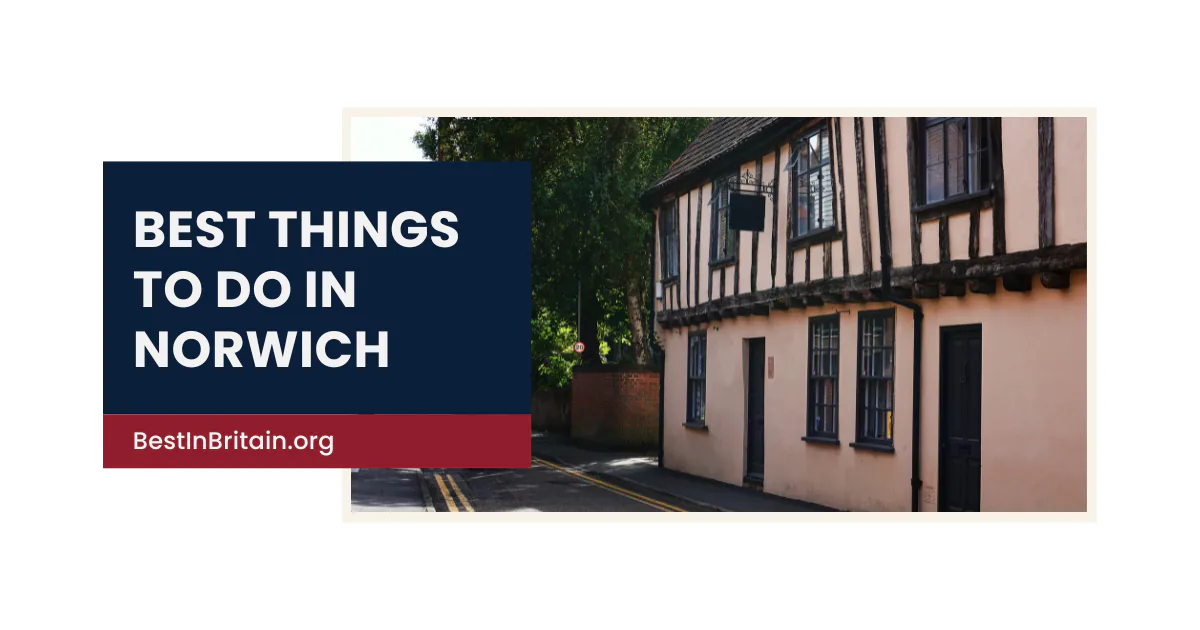
16 best things to do in Norwich for an unforgettable visit
Discover the best things to do in Norwich, from its cathedral and newly restored castle to medieval streets, museums, gardens, markets and memorable Norfolk day trips.
Updated 22 July 2026

Things to Do
20 best things to do in Bath for an unforgettable visit
Discover the best things to do in Bath, from the Roman Baths and Thermae Bath Spa to Georgian landmarks, museums, gardens, riverside walks and memorable local experiences.
Updated 21 July 2026

Things to Do
17 best things to do in Inverness for an unforgettable Highland visit
Discover the best things to do in Inverness, from the new castle experience and River Ness walks to Culloden, Clava Cairns, Loch Ness and memorable Highland day trips.
Updated 21 July 2026

Things to Do
20 best things to do in Aberdeen for an unforgettable visit
Discover the best things to do in Aberdeen, from its granite architecture, museums and historic university quarter to coastal walks, gardens, dolphin watching and memorable day trips.
Updated 20 July 2026

Things to Do
17 best things to do in Stoke-on-Trent for an unforgettable visit
Discover the best things to do in Stoke-on-Trent, from world-famous pottery museums and factory tours to Trentham Gardens, canals, theatres and memorable Staffordshire day trips.
Updated 20 July 2026
Know a business we should consider?
Send us the details and our editorial team will review whether it fits a future guide.
Submit businessWriter profile
George Davies
Regional and city guide desk researcher
George researches location-led guides, city roundups, regional comparisons, attractions, and practical local recommendations.
Editorial Trust Standard
Independent ReviewIndependent Research
Featured rankings are editorially determined. Commercial partner listings are strictly labeled as Sponsored or Featured.
Public Register Audit
Listings are cross-checked against public regulatory registries, Companies House filings, and published fee schedules.
Regional Directory